Today’s plan is a visit to the Haa Valley, one of the lesser-known and less-visited valleys in Bhutan. The journey itself is already an experience. The road leads over the Chelele Pass, at almost 4,000 meters above sea level. Narrow, winding, and incredibly beautiful—two cars can barely pass each other, and road up from Paro goes up for 35km. The landscape changes quickly: Paro lies at around 2,300 meters, and before long we are surrounded only by conifer forests and open alpine meadows. The feeling is almost Alpine, like a high mountain road somewhere in Europe. Honestly—this would be a dream route for a cycling trip.


At the top of the pass, I ask the guide how long we’ll be staying, but he doesn’t really have an answer. He only knows that at some point we’ll hang prayer flags somewhere—where exactly will reveal itself. Just above the pass (about a ten-minute walk, by feel), Gorazd and I spot a stupa and say to each other: we have to get there. And we almost jog over (and yes, after a few meters we slow down as we are at 4000m), because we supposedly don’t know how much time we have. After about 200 meters of walking, an open meadow appears—completely hidden from the road. There we come across a group of monks preparing for prayer, and a few women in everyday clothes taking care of food and drinks. They are facing mount Jomolhari, one of the most sacred mountains in Bhutan (7,326 m), believed to be the protective deity of western Bhutan (also known as the Mountain Goddess). One of the women waves to us and invites us for tea. Moments like these—spontaneous conversations with locals—are always wonderful. In the end, we’re even given a piece of cake, tasty and actually the first truly noteworthy dessert I had in Bhutan. To this day, I regret eating it so quickly and not taking a single photo.


This is followed by a short climb up to the stupa above the pass (built to bless and protect Chelele pass), where we also hang the prayer flags (well, our local guide did most of the work—with a machete) 🙂


According to our local guide, the Haa Valley doesn’t offer many tourist attractions. Probably the most important cultural and religious site is Lhakhang Karpo (the White Temple), together with the nearby Lhakhang Nagpo (the Black Temple). According to legend, the temples were built in the 7th century, when two sacred birds landed in this area and marked it as a place for the spread of Buddhism. We visited the White Temple, which is simple but very old, with strong symbolic importance for the locals, as it represents one of the earliest centers of Buddhism in this valley.


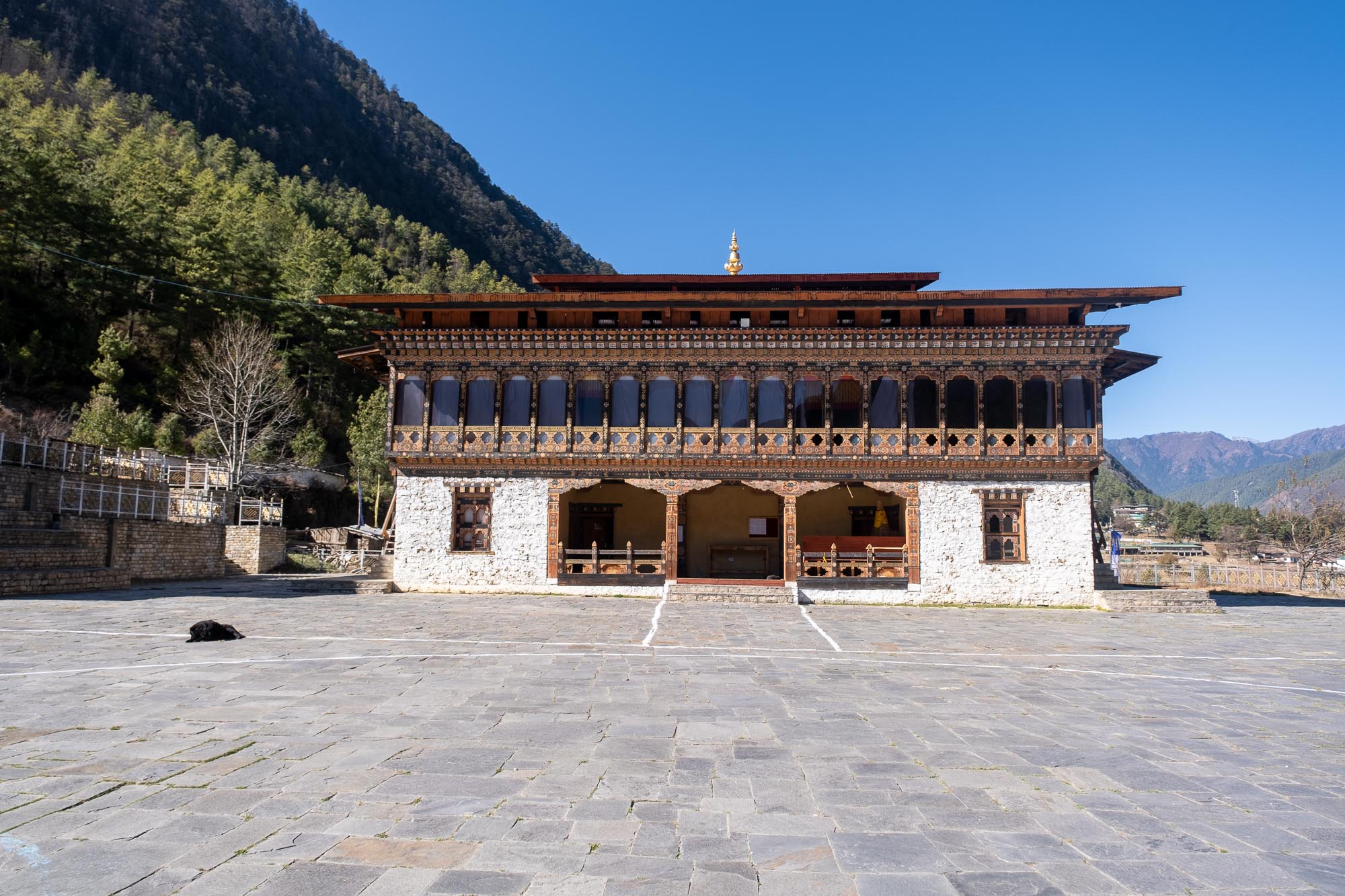
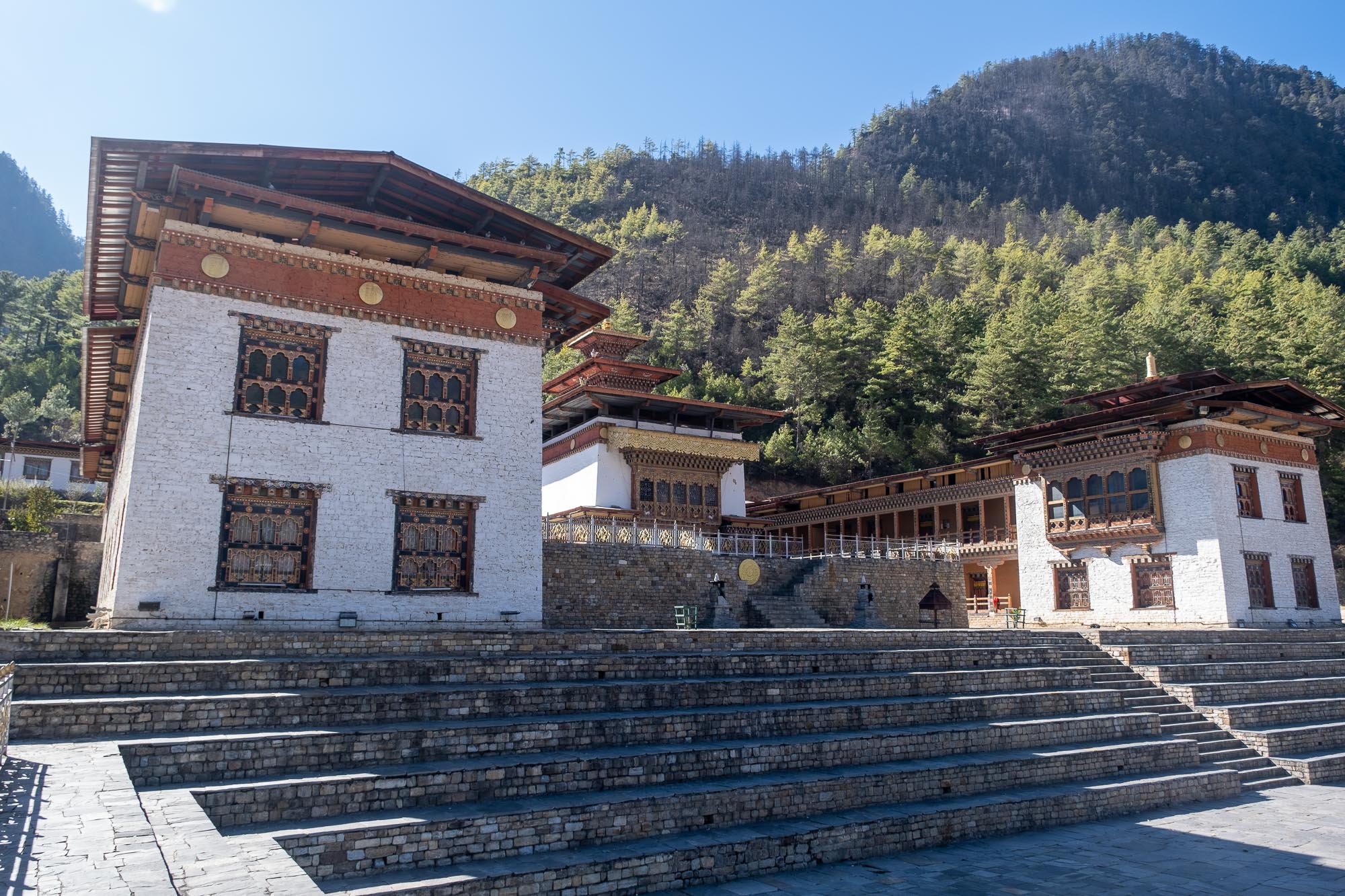
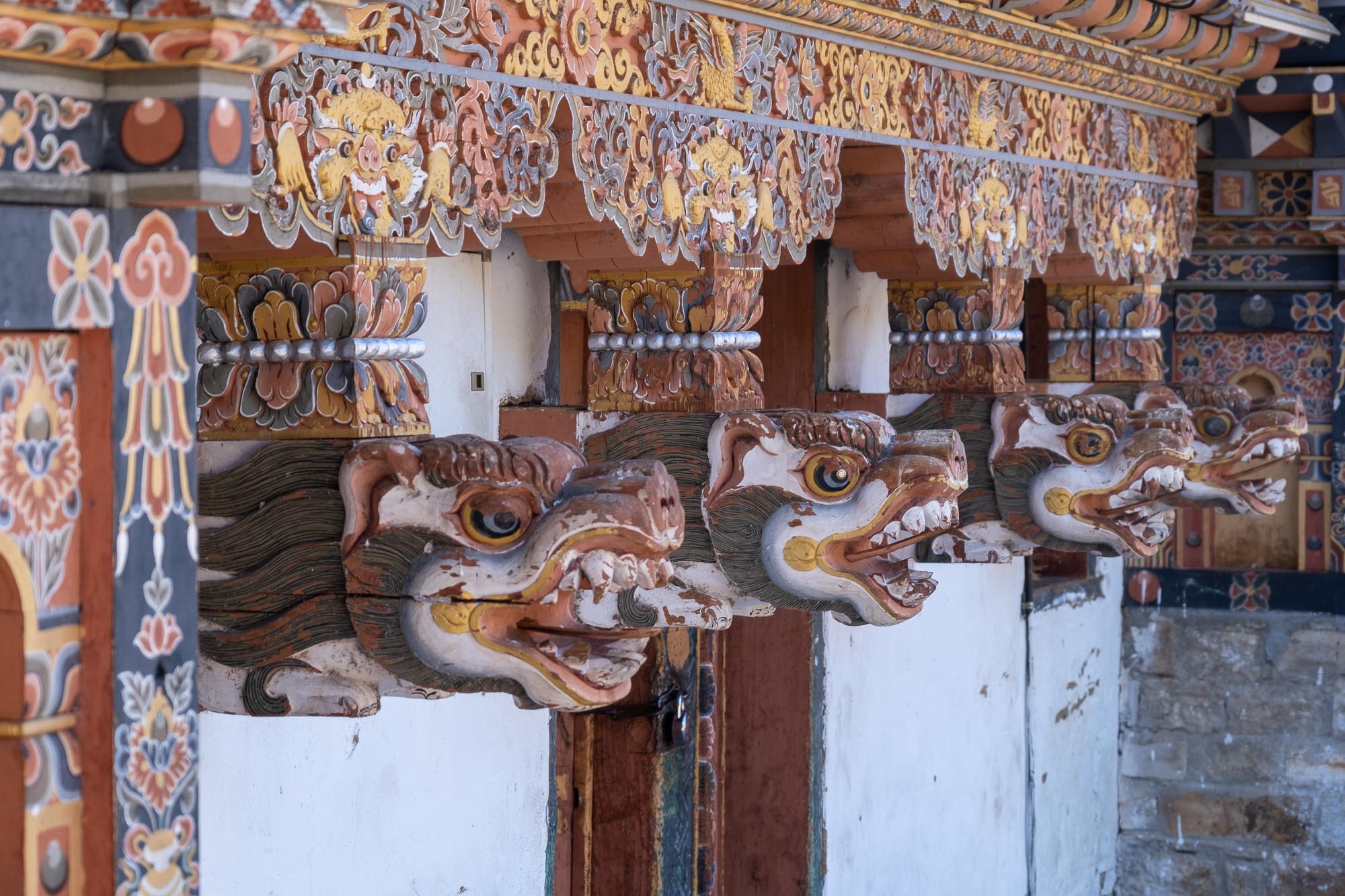
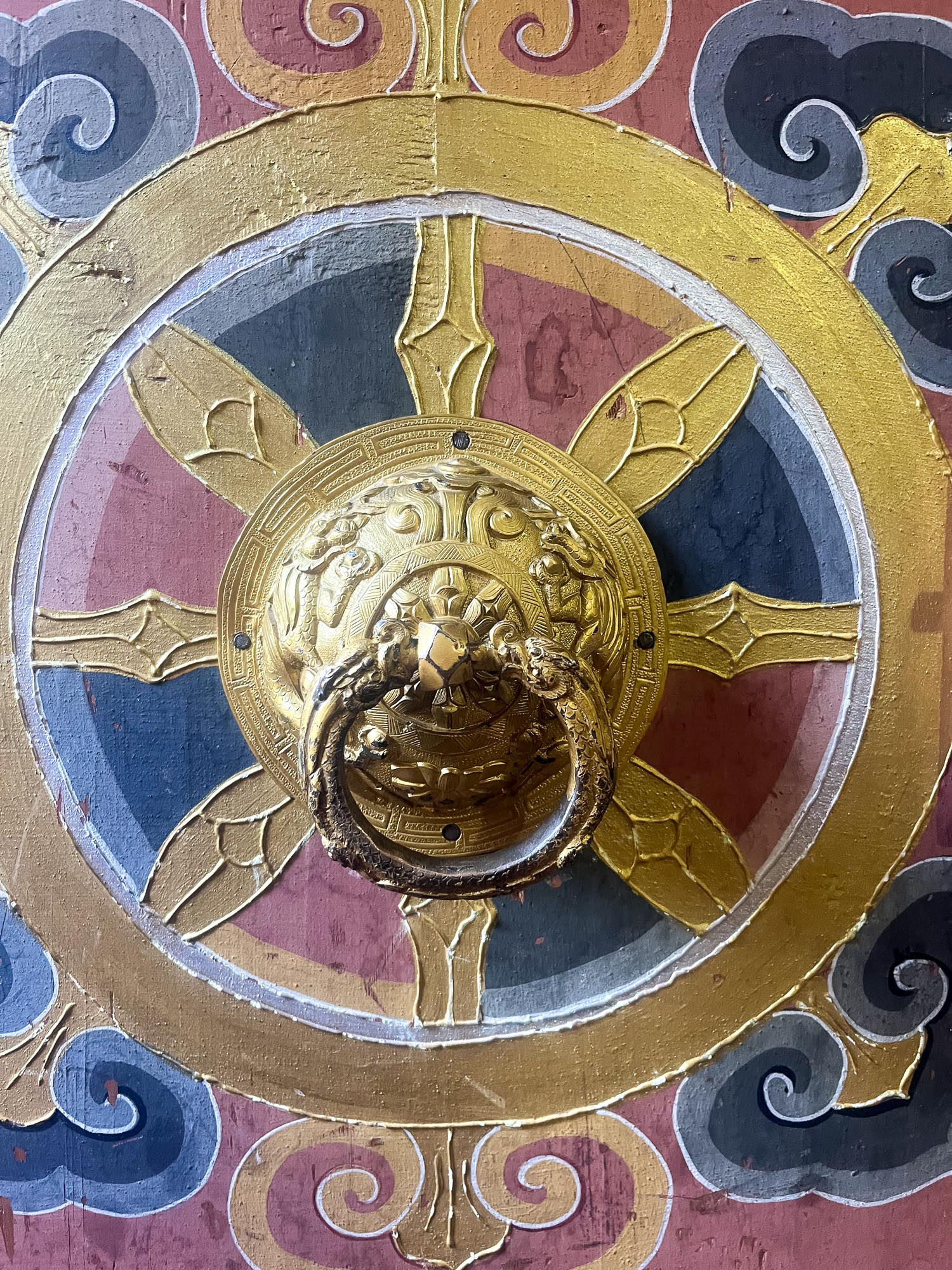
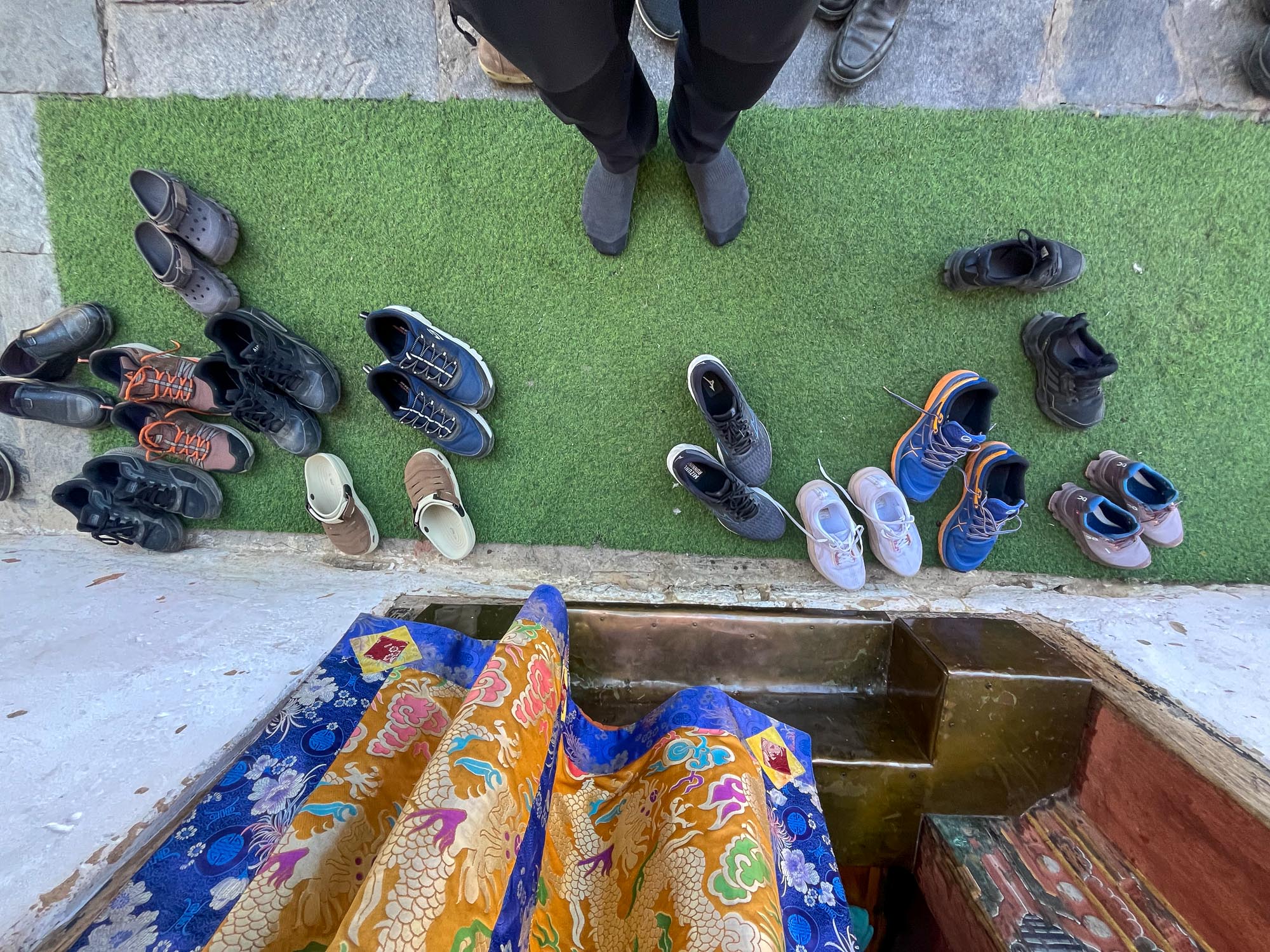
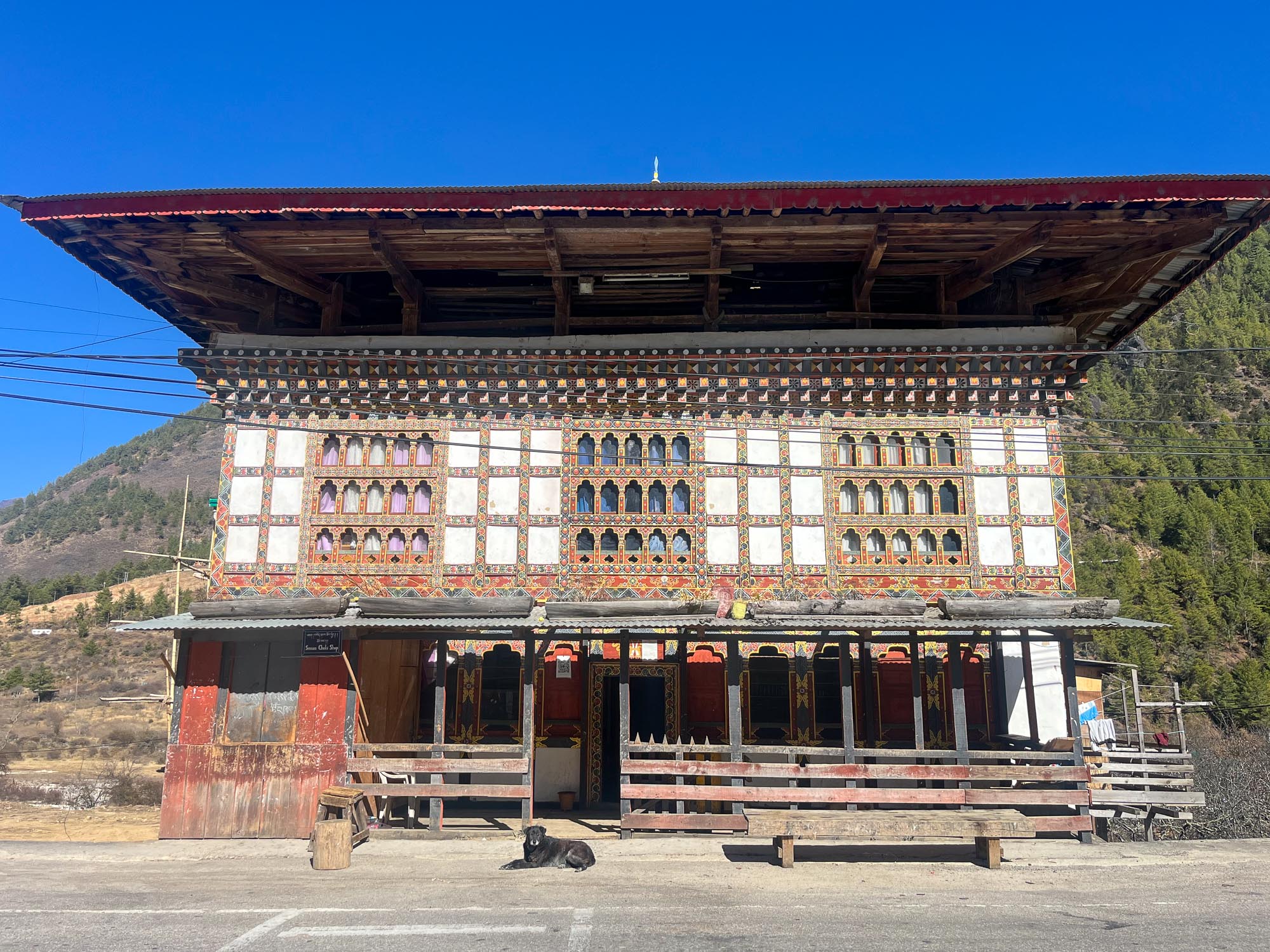
After visiting the temple, we take a short walk along the village’s main street, and then it’s already time to head back. I admit I was somewhat surprised by this. The Haa Valley offers far more than just one or two temples. Its unspoiled nature is ideal for walks, trekking, and slow exploration, without rushing or crowds. I could easily imagine staying overnight here in a homestay, where the day would end in complete silence. The cultural program we saw on the first day of the trip would have been even more beautiful right here, surrounded by nature and set against a truly stunning backdrop. Not to mention archery, where short courses or demonstrations could easily be offered. I understand the direction tourism professionals are heading (even in Bhutan), but the untouched nature and beautiful valley could be extremely appealing to visitors.


On the way back, we stop for a picnic in nature. Great food, on a sunlit meadow… tasty, beautiful… perfect.


